
The New Lost Canadians Citizenship Certificate Reversal Policy: Bill C-3 Enforcement

Executive Summary: Navigating Post-Approval Lineage Audits
A sudden procedural tightening by Immigration, Refugees and Citizenship Canada (IRCC) has introduced unexpected hurdles for families seeking birthright status confirmation under the historic 2025 ancestry expansion. While legislative changes initially brought hope to thousands, active enforcement desks have launched aggressive verification measures. Review the critical parameters of the June 2026 operational shift:
- The Core Definitions Node: The term lost canadians encompasses individuals who historically lost or were denied their Canadian citizenship due to outdated and arbitrary provisions in past nationality acts.
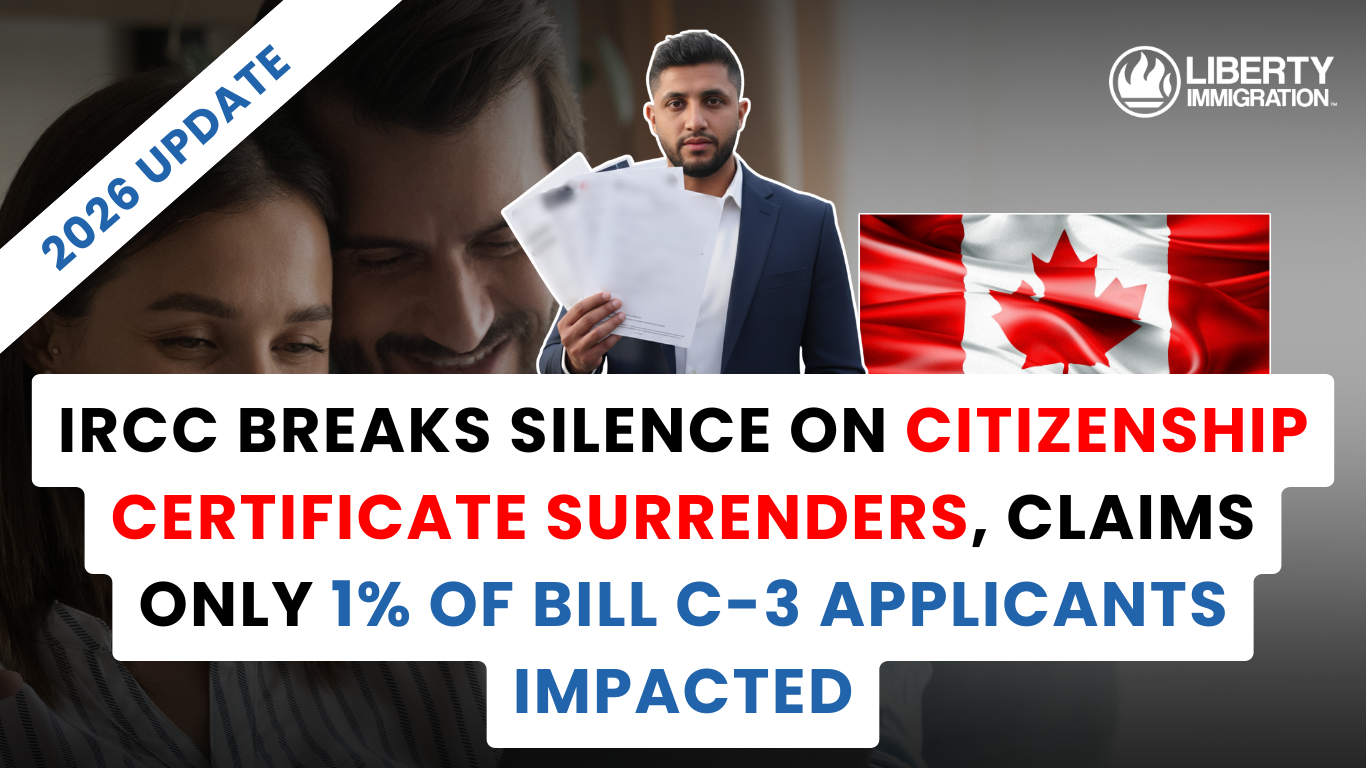
- The June 15 Reversal Order: IRCC abruptly suspended an undisclosed number of newly distributed citizenship certificates, citing significant documentation concerns regarding the underlying evidence submitted.
- Mandatory Document Surrender Letters: The government has issued formal demands requiring select applicants to physically surrender their physical certificates if the file lacks verified, primary civil records.
- Current Application Freeze: While IRCC has already started returning reviewed documents to certain applicants, the processing and issuance of brand-new certificates under the Bill C-3 framework remains strictly paused.
The New Lost Canadians Citizenship Certificate Reversal Policy: Bill C-3 Enforcement & Everything Else You Need to Know
For cross-border families, multi-generational descendants, and legal practitioners managing ancestry portfolios, the promise of reclaimed heritage has suddenly collided with a strict administrative wall. For decades, the descendants of families who crossed the border or fell outside narrow statutory definitions were systematically denied recognition by the state. When landmark legislation finally dismantled those historical limits, thousands of eligible individuals rushed to file under the expanded criteria.
However, the compliance landscape transformed completely in mid-June 2026. Moving away from routine approvals, IRCC initiated an unexpected wave of certificate suspensions, sending shockwaves through the community of **lost canadians** who had recently celebrated their official recognition. Citing a high volume of unverified or incomplete ancestral files, the ministry has paused new finalizations and demanded the physical surrender of certificates from select active files. This dramatic shift underscores that proving your birthright requires more than loose family lore—it demands flawless primary evidence.
As an elite cross-border legal advisory group directed by practicing Regulated Canadian Immigration Consultants (RCICs), we construct pristine portfolios engineered to withstand strict federal background reviews. Relying on secondary research printouts or digitized family trees is no longer a viable option under active verification rules. This comprehensive briefing details the ongoing June 2026 audit crisis, outlines the historical legal traps that created the **lost canadians** dilemma, and explains the exact documentation strategy required to protect your family's status.
Received a Sudden IRCC Document Surrender Letter? Secure an Emergency Strategic Check Instantly1. The June 2026 Crisis: Unpacking Certificate Recalls and Suspensions
The sudden disruption of the **lost canadians** integration stream highlights a major policy shift toward aggressive, post-approval auditing inside Canada's citizenship bureau. On June 15, 2026, the federal government executed a sweeping data freeze, abruptly suspending an undisclosed number of newly minted citizenship certificates that had been distributed over the first half of the year.
The disruption stems from a strict stance on file completeness. In formal notifications sent directly to shocked applicants, IRCC stated that because primary documentation was missing from the initial proof of citizenship packages, individuals are required to return their physical certificates to the government for manual verification. While recent tracking confirms that the department has started returning documents to applicants whose lines have been successfully verified, the issuance of all new certificates under the descent framework remains completely halted pending a full system review.
Review the active operational differences separating the historic Bill C-3 rollout from the strict 2026 audit parameters:
| Regulatory Status Node | The Promise of the Bill C-3 Framework (Late 2025) | The Active IRCC Enforcement Realities (June 2026) |
|---|---|---|
| The Generational Transmission Limit | Automatically granted citizenship to outland-born individuals previously blocked by the first-generation cap. | Strict Lineage Verification: Demands an unbroken, generational chain of certified parental records to validate transmission. |
| Acceptance of Secondary Research | Allowed families to launch applications using digital records, online indices, and historical family trees. | Immediate File Rejection: Third-party prints or uncertified genealogy copies are banned; triggers a formal surrender demand. |
| Portal Status and Case Intake | Operated as a highly accelerated, high-volume pathway designed to quickly clear historical backlogs. | System Wide Pause: Finalizations of new profiles are completely frozen while anti-fraud teams audit existing files. |
This systematic tightening has left corporate mobility teams and legal scholars deeply concerned by the lack of clear, immediate answers from the ministry. However, the operational message is undeniable: clear primary family records must be secured to protect your inherited rights.
2. Decoding the Historical Legal Traps: Who Are the Lost Canadians?
To safely navigate an active audit or structure a fresh submission, you must understand the historical legislative anomalies that created the **lost canadians** category in the first place. Prior to modern, inclusive updates, Canada's nationality framework was governed by complex and discriminatory rules that stripped status from individuals due to arbitrary factors like country of birth, marital choices, or simple age milestones.
Our legal team isolates the primary historical categories currently facing intense scrutiny under the active review guidelines:
- The Section 8 Exclusion Class: This category targets individuals born outside of Canada to a Canadian parent within the second or subsequent generation. Under previous outdated rules, these citizens automatically lost their status if they failed to complete specific, mandatory retention requirements before reaching their 28th birthday.
- Pre-1947 Statutory Anomalies: This class encompasses individuals who were born or naturalized within Canada but were completely denied recognition because they did not meet the restrictive criteria enforced when the first *Canadian Citizenship Act* officially took effect on January 1, 1947.
- The Historical 24th Birthday Rule: This trap impacted individuals born in another country who automatically forfeited their rights because they failed to establish permanent residency inside Canada or file a formal retention claim by the exact date of their 24th birthday.
- The Non-Traditional Family Disconnection: This structural flaw historically denied citizenship transmission to children born out of wedlock or those whose lineage ran through a Canadian mother rather than a father, leaving thousands of families disconnected from their heritage for generations.
3. The Evidentiary Solution: Sourcing Certified Primary Civil Records
The clear lesson of the June 2026 certificate recall crisis is that applicants must move past generic family lore and secure certified primary evidence. To ensure your lineage portfolio successfully clears an active IRCC review or stands up to future pool draws, your documentation strategy must focus on three strict rules:
- Order Long-Form Certificates with Parental Information: Standard short-form extracts are non-compliant because they omit parental details. You must secure official long-form birth certificates issued directly by original provincial or state vital statistics offices that explicitly display the full names and birth locations of the parents.
- Bridge Name Variations Using Certified Decrees: If an intermediate ancestor's name was modified or anglicized after crossing borders, you must include certified marriage abstracts, naturalization records, or official court name-change decrees to bridge the spelling gaps for the reviewing officer.
- Verify Ancient Documents via Original Archives: The age of a document is never a barrier on its own. Antique records from the late 1800s are highly valuable, provided they are officially certified by the original authority or state archive responsible for creating the record.
Protect Your Family Status and Resolve Your IRCC Audit Successfully
The ongoing wave of citizenship suspensions and the temporary freeze on new Bill C-3 finalizations confirm that the era of loose, applicant-led filing is over. With anti-fraud teams strictly reviewing existing files, ensuring your ancestral documentation consists of certified primary civil records is essential to safeguard your status. Let our elite team of professional RCICs perform a comprehensive audit of your lineage records, clear document gaps, and manage your portal profile flawlessly.
Book Your Emergency Ancestral Vetting Session NowTop 5 FAQs: Surviving the Lost Canadians Status Reversals
1. What is the core reason behind the recent tps supreme court style freeze on Canadian citizenship by descent?
In mid-June 2026, IRCC abruptly suspended an undisclosed number of newly issued citizenship certificates because applicants had relied on unverified third-party trees rather than submitting certified primary civil records from original vital statistics authorities.
2. I received a letter requiring the surrender of my certificate. What does this mean?
This means IRCC has flagged your file during a post-approval audit due to missing primary family records. You must physically return the certificate for review, though the department has already started returning documents once the lineage is successfully verified.
3. What historical categories of individuals are classified as Lost Canadians?
The term encompasses groups denied citizenship by outdated laws, including Section 8 exclusions who missed the age-28 retention rule, pre-1947 anomalies, and individuals affected by old rules regarding out-of-wedlock births or maternal lineage caps.
4. Can I utilize an online family tree from Ancestry or FamilySearch to clear my audit?
No, absolutely not. Digital extracts from commercial genealogy platforms are treated strictly as research aids. To clear an active audit, you must submit authentic, certified long-form certificates issued directly by original government vital statistics offices.
5. Is the federal government still accepting new applications under Bill C-3?
While you can still submit a profile to enter the system, the immigration minister has confirmed that Canada is temporarily not finalizing any new citizenship-by-descent applications while the comprehensive review of existing certificates is underway.
More Helpful Resources on Adjudication Precedents and Inflow Controls
- The Timeline Drop: Reviewing the Latest In-Canada Work Permit Processing Times Update
- The Ancestry Shift: Navigating Changing Verification Rules for Family Class Lineage Proofs
- The Explanation Brief: How to Correctly Format Your Case Layout Letter of Explanation PDF
- RCIC Strategy Portal: Schedule an Emergency Status Continuity Vetting with Our Licensed Expert Team
© 2026 Liberty Immigration. All rights reserved. | Book an RCIC Consultation
Related Blogs:


Written By
Vineet Tiwari
Vineet is a caring and creative leader who has lived in India, Oman, UAE, and Canada, giving him a rich multicultural perspective. His commitment to physical fitness keeps him energetic and focused. Vineet's dedication to his clients is evident as he often takes calls on weekends, ensuring they always feel supported and valued. His diverse background and unwavering availability help build strong, trusting relationships with our clients.
