
The Lance Schroyer ICE Nomination: Shifting Cross-Border Enforcement Priorities & The Canadian Impact (2026)
Executive Summary: Massive Re-Alignment in Homeland Security
A high-profile administrative development in Washington has fundamentally transformed the operational outlook for cross-border commerce, workplace safety tracking, and Northern Border security parameters. As the executive branch positions a veteran field general at the center of its continental migration strategy, understanding the cascading effects on Canada's entry ports is essential. Review the active structural details finalized following the recent data release on June 28, 2026:
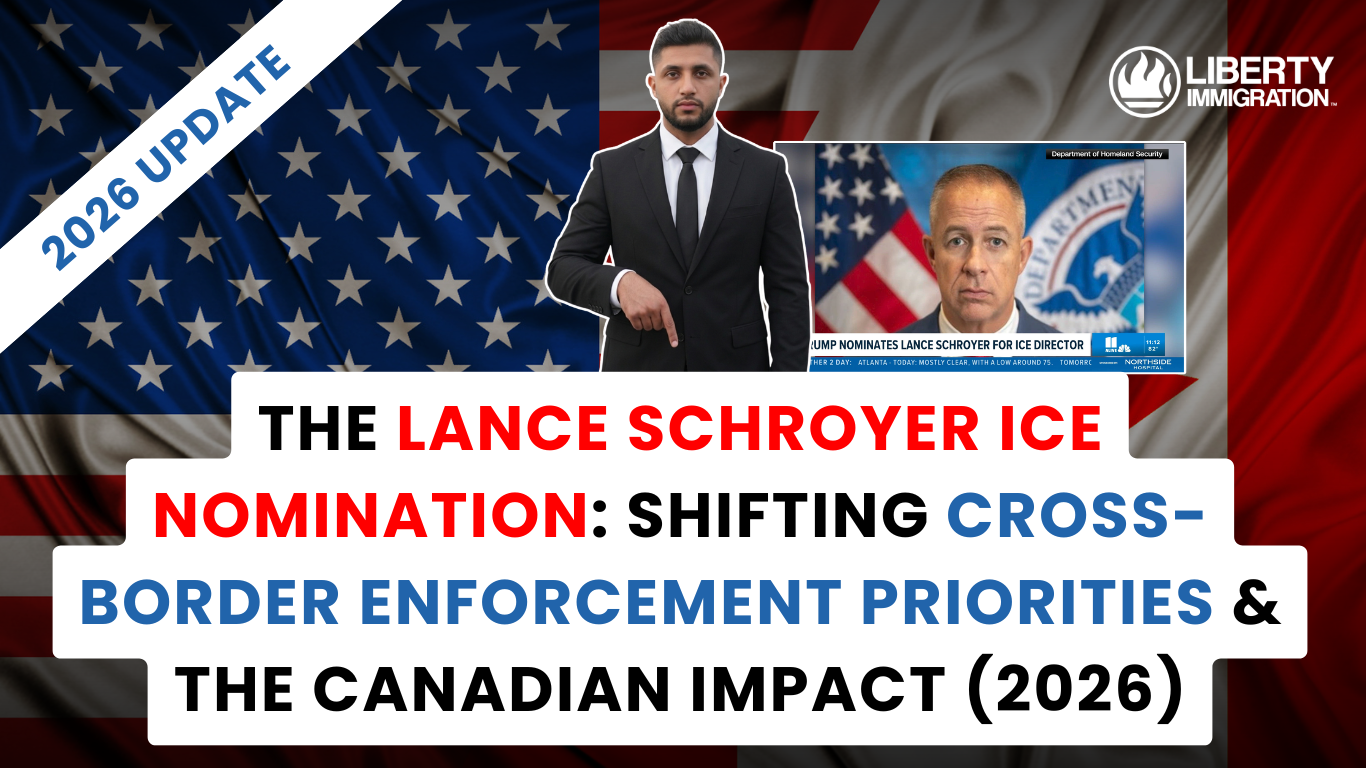
- The Core Executive Appointment: On Saturday, June 27, 2026, U.S. President Donald Trump officially announced the lance schroyer ice nomination to lead Immigration and Customs Enforcement.
- Field-Proven Tactical Background: Moving straight from the field to a permanent executive track, Schroyer is a former Oklahoma State Trooper Major and U.S. Marine veteran with over 29 years of hands-on law enforcement experience.
- The Institutional Leadership Gap Closed: If successfully confirmed by the Senate, Schroyer will become the first permanent, fully confirmed ICE director since January 2017—ending nearly a decade of rotating interim acting heads.
- The 287(g) Enforcement Mandate: Noted for spearheading large-scale regional initiatives, Schroyer specializes in utilizing 287(g) agreements to delegate federal immigration enforcement powers directly to local and state police.
- The Northern Border Pressure Valve: Stricter interior deportation sweeps down south are expected to trigger a significant migration displacement effect, placing increased pressure on Canada’s ports of entry and irregular borders.
The Lance Schroyer ICE Nomination: Shifting Cross-Border Enforcement Priorities & Everything Else You Need to Know
For cross-border corporate mobility teams, Canadian enterprises employing international talent, and commuters traveling across the 49th parallel, keeping tabs on leadership changes in U.S. immigration enforcement is vital. Because the operational strategy of Immigration and Customs Enforcement (ICE) shapes workspace inspections, visa validation protocols, and border-zone security, administrative appointments can quickly alter border processing standards. This structural transition took on a highly tactical direction this week.
The continent's security landscape adjusted significantly when President Donald Trump announced the formal **lance schroyer ice nomination**. Tapping a senior advisor to Homeland Security Secretary Markwayne Mullin, the administration is moving past corporate attorneys to install an operational veteran known for coordinating large-scale state and federal enforcement partnerships. As the agency steps up interior enforcement and deportation drives, Canadian individuals and corporate entities must quickly audit their cross-border compliance practices to prevent travel gaps.
As a leading cross-border advisory firm directed by practicing Regulated Canadian Immigration Consultants (RCICs), we track multi-jurisdictional shifts to safeguard our clients' global operations. Navigating an aggressive, field-driven enforcement model requires an absolute commitment to regulatory precision. This comprehensive briefing details the parameters of the historic Saturday announcement, analyzes the 287(g) local policing framework, and breaks down the direct Canadian cross-border angles you must prepare for immediately.
Anxious About Shifting Cross-Border Travel Scrutiny? Secure an Expert Strategy Session Instantly1. Analyzing the Saturday Announcement: The Field-First Paradigm Shift
The definitive feature of the **lance schroyer ice nomination** is the transition toward a highly structured, operational leadership model within the agency. Following the resignation of former acting director Todd Lyons at the end of May 2026, private-prison executive David Venturella stepped in as interim head. However, the administration's choice to permanently fill the seat with a 29-year public safety veteran reveals a commitment to strict interior enforcement.
Review how Lance Schroyer's operational history contrasts with traditional agency leadership formats:
| Immigration Enforcement Vector | Traditional Administrative ICE Designations (Pre-2026) | The Lance Schroyer Tactical Paradigm (Post-Nomination) |
|---|---|---|
| Core Professional Background | Frequently directed by corporate immigration attorneys, administrative policy advisors, or corporate executives. | Field Veteran: U.S. Marine Corps background paired with nearly three decades as an Oklahoma Highway Patrol Major. |
| Interagency Coordination Strategy | Relied heavily on independent federal actions, managing enforcement lines separate from local municipal police forces. | 287(g) Integration: Expert at delegating federal authority to local sheriffs and state troopers to expand agency reach. |
| Tactical Experience Focus | Centered on managing complex civil court backlogs, registry compliance, and global treaty tracking. | Operational Command: Led specialized emergency units, tactical responses, and large-scale fugitive recovery drives. |
| Northern Border Surveillance Node | Maintained baseline coordination with Canadian border authorities, focusing resources primarily on southern pipelines. | Tightened Border Focus: Heightened surveillance and strict data-sharing networks along the 49th parallel. |
This comparative overview highlights why Department of Homeland Security Secretary Markwayne Mullin strongly endorsed the choice, noting that Schroyer's deep roots running multi-agency task forces will directly support the president's mandate to ramp up interior enforcement and removals.
2. The 287(g) Framework: Expanding Enforcement Reach to the Border
To safely navigate your cross-border logistics, you must look past simple political headlines and analyze the specific program that defines Schroyer's operational track record: the **287(g) enforcement partnership program**. This statutory mechanism allows the federal government to enter into formal agreements with state and local law enforcement agencies, training and empowering local officers to perform essential immigration tasks directly.
During his career heading the Emergency Services Unit for the Oklahoma Department of Public Safety, Schroyer specialized in expanding these local-to-federal networks. Rather than waiting for finite blocks of federal ICE agents to deploy to a region, local police can instantly check immigration registries, process holds, and initiate removal chains during standard local policing activities. This integration effectively multiplies the agency's operational footprint across the United States.
Because Schroyer’s strategy relies heavily on multi-jurisdictional collaboration, corporate entities must prepare for a significant wave of local worksite audits. Businesses operating cross-border logistics cannot depend on administrative delays to clear documentation gaps; local state partners now hold the training and authority to review employee files and verify visa compliance instantly.
3. The Canadian Cross-Border Angle: Shifting Tensions on the 49th Parallel
While mainstream media reports focus on the domestic political friction inside the United States, our cross-border legal analysts are tracking three critical vectors directly affecting Canada's immigration and border networks:
Vector 1: The Northern Border Displacement Effect
As ICE steps up interior deportation drives and expands local law enforcement networks, the pressure on undocumented populations inside the U.S. will reach an intense high. This environment historically triggers a massive migration displacement effect. Fearing sudden detentions, thousands of vulnerable individuals are expected to look north, creating immediate irregular crossing pressure along Canada's vast land borders and testing joint Safe Third Country Agreement (STCA) processing lines.
Vector 2: Heightened Scrutiny for Corporate Cross-Border Commuters
The appointment of a strict law enforcement veteran ensures that entry portals—including the busy commercial crossings linking Ontario, Quebec, and British Columbia to the U.S.—will face rigorous oversight. Canadian business professionals utilizing standard business visitor entry, L-1 transfers, or TN professional status must expect detailed, line-by-line checks of their employment contracts, educational credentials, and source declarations to clear port-of-entry triage successfully.
Vector 3: Biometric Integration and Joint Data Sharing Audits
Schroyer’s expertise in complex interagency tactical planning will likely lead to enhanced biometric and intelligence sharing between ICE and the Canada Border Services Agency (CBSA). This unified checking network means that a historical immigration irregularity, an unbridged workspace permit gap, or an unresolved record in Canada will be flagged instantly by U.S. databases, triggering sudden entry denials or visa revocations at the border.
Insulate Your Workforce and Travel Passports from Heightened Border Scrutiny
The operational shifts confirmed by the **lance schroyer ice nomination** prove that cross-border enforcement is moving toward a highly structured, law-enforcement-first model. Relying on loose corporate folders or outdated permit templates leaves your cross-border operations exposed to unexpected delays and port-of-entry rejections. Let our team of professional consultants audit your employee records, align your cross-border business travel documentation with current standards, and secure your long-term compliance smoothly.
Book Your Priority Cross-Border Compliance Audit Session NowTop 5 FAQs: Navigating the 2026 ICE Enforcement Redesign
1. What is the significance of the recent lance schroyer ice nomination?
Tapped by President Trump on June 27, 2026, Lance Schroyer’s nomination marks a major shift toward field-driven interior enforcement and represents the first pick for a permanent, Senate-confirmed ICE director since early 2017.
2. What is the 287(g) program and how does it expand enforcement reach?
The 287(g) program is a federal framework that delegates specific immigration enforcement powers directly to local and state law enforcement officers. This integration allows local state troopers and sheriffs to identify and detain non-status individuals during standard local policing activities.
3. How does this leadership change down south directly impact Canada?
Aggensive interior deportation sweeps in the U.S. are expected to drive vulnerable populations toward the northern border, increasing irregular crossing pressure. It also signals tighter document checking for Canadian business travelers crossing entry points.
4. Does the newly nominated ICE director take charge of the agency immediately?
No. Under the U.S. Constitution, the position requires formal confirmation by the U.S. Senate. Until the confirmation vote is finalized, David Venturella continues to manage operations as the interim acting head.
5. How can a Canadian enterprise protect its cross-border commuters under this model?
Companies must implement strict pre-travel checks, ensuring that all employee portfolios contain certified educational proofs, matching G-28 or legal support briefs, and explicit, CUSMA-compliant job offer letters to satisfy border screening teams.
More Helpful Resources on Adjudication Channels and Inflow Controls
- The Timeline Drop: Reviewing the Latest In-Canada Work Permit Processing Times Update
- The Ancestry Shift: Navigating Changing Verification Rules for Family Class Lineage Proofs
- The Explanation Brief: How to Correctly Format Your Case Layout Letter of Explanation PDF
- RCIC Strategy Portal: Schedule a Comprehensive Cross-Border Compliance Vetting with Our Expert Team
© 2026 Liberty Immigration. All rights reserved. | Book an RCIC Consultation
Related Blogs:

Written By
Vineet Tiwari
Vineet is a caring and creative leader who has lived in India, Oman, UAE, and Canada, giving him a rich multicultural perspective. His commitment to physical fitness keeps him energetic and focused. Vineet's dedication to his clients is evident as he often takes calls on weekends, ensuring they always feel supported and valued. His diverse background and unwavering availability help build strong, trusting relationships with our clients.
